
Stakeholders call on traditional leaders to harmonise cultural practices with human rights
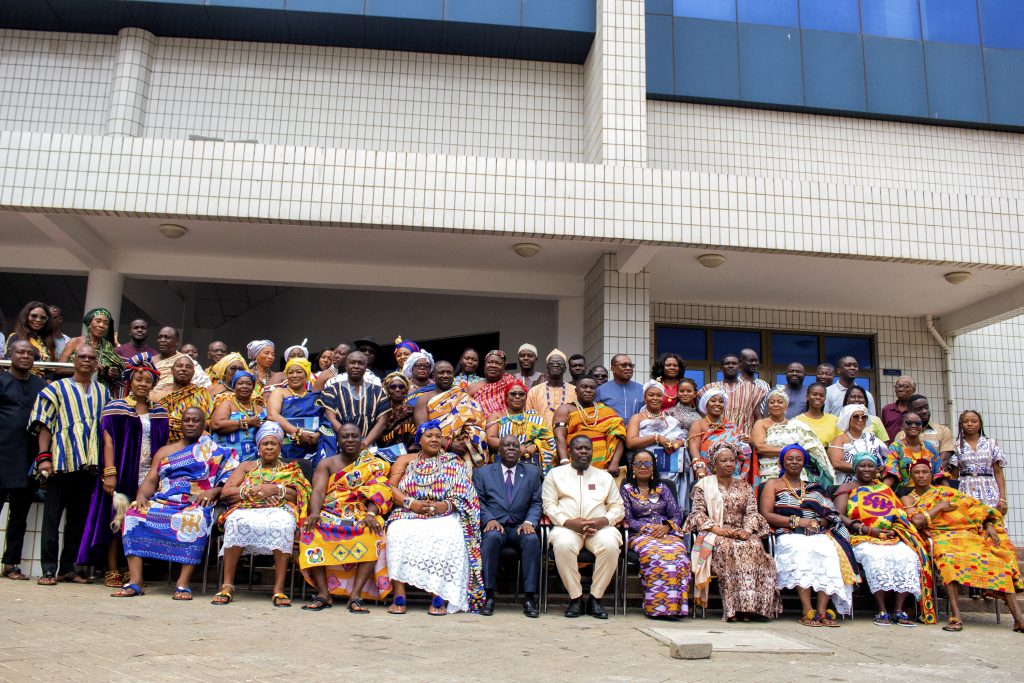
The Country Representative of the United Nations Population Fund (UNFPA), Dr Wilfred Ochan, has urged traditional leaders to lead the charge in reviewing and reforming cultural norms that no longer serve the best interests of the people.
Dr Ochan stressed that “harmful cultural practices” such as child marriage and female genital mutilation do not only undermine the health and dignity of victims but also rob them of a bright future.
He therefore called on traditional leaders to leverage their cultural authority and community standing to curb some of these harmful customary practices and advance women’s rights.
“Traditional leaders in Ghana wield significant authority and influence within their communities,” Dr Ochan said during a stakeholder engagement seminar on Friday, July 19, 2024.
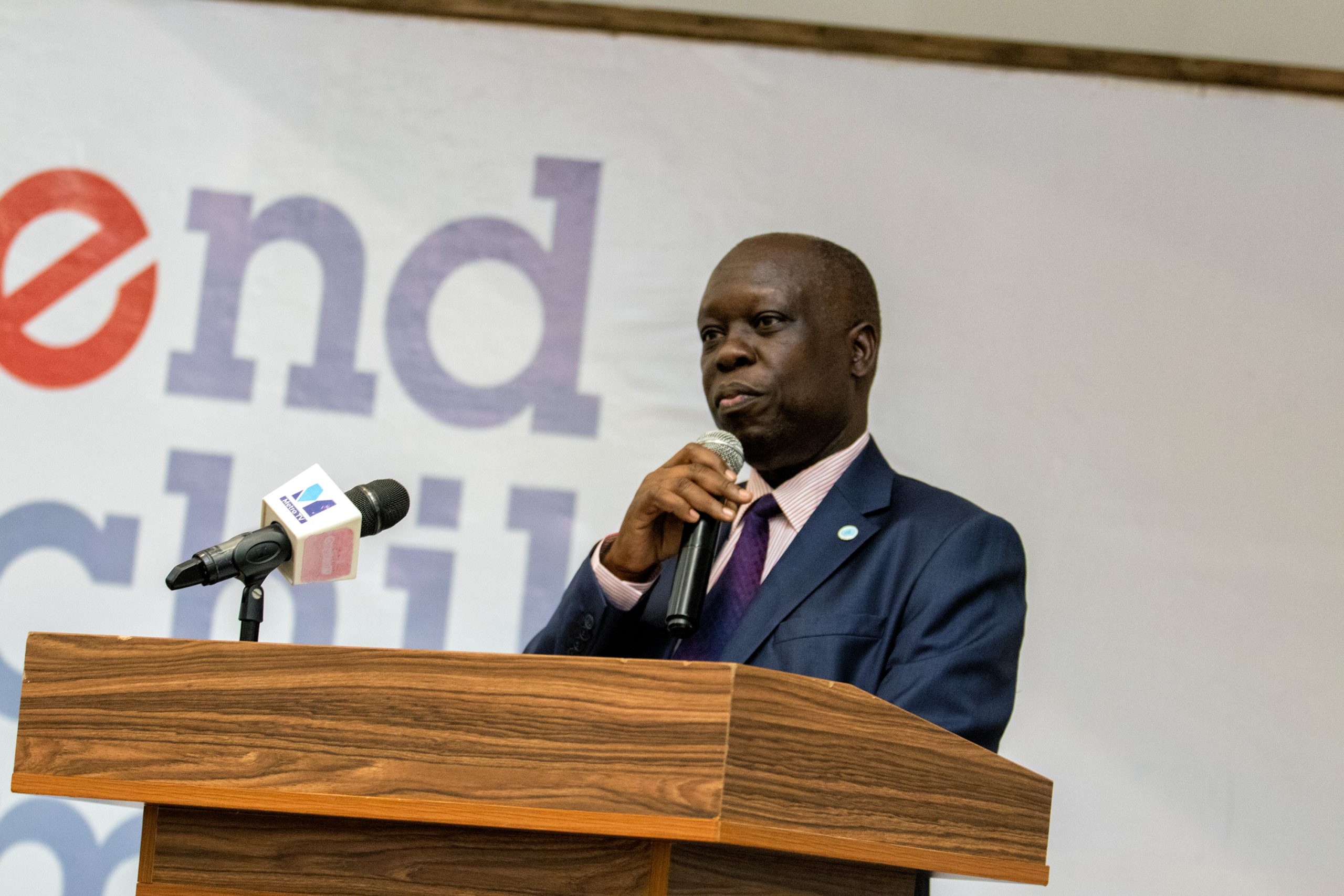
“We have [therefore] initiated a move to map the traditional norms and practices and work with the appropriate authorities to re-enforce the positive ones and work together to modify or discard the negative ones.”
The Stakeholder Engagement Seminar was organised by the Otumfuo Centre for Traditional Leadership (OCTL) at the University of Professional Studies, Accra (UPSA) in partnership with UNFPA.
It was themed “Ghanaian culture and the quest for women and children’s rights.”
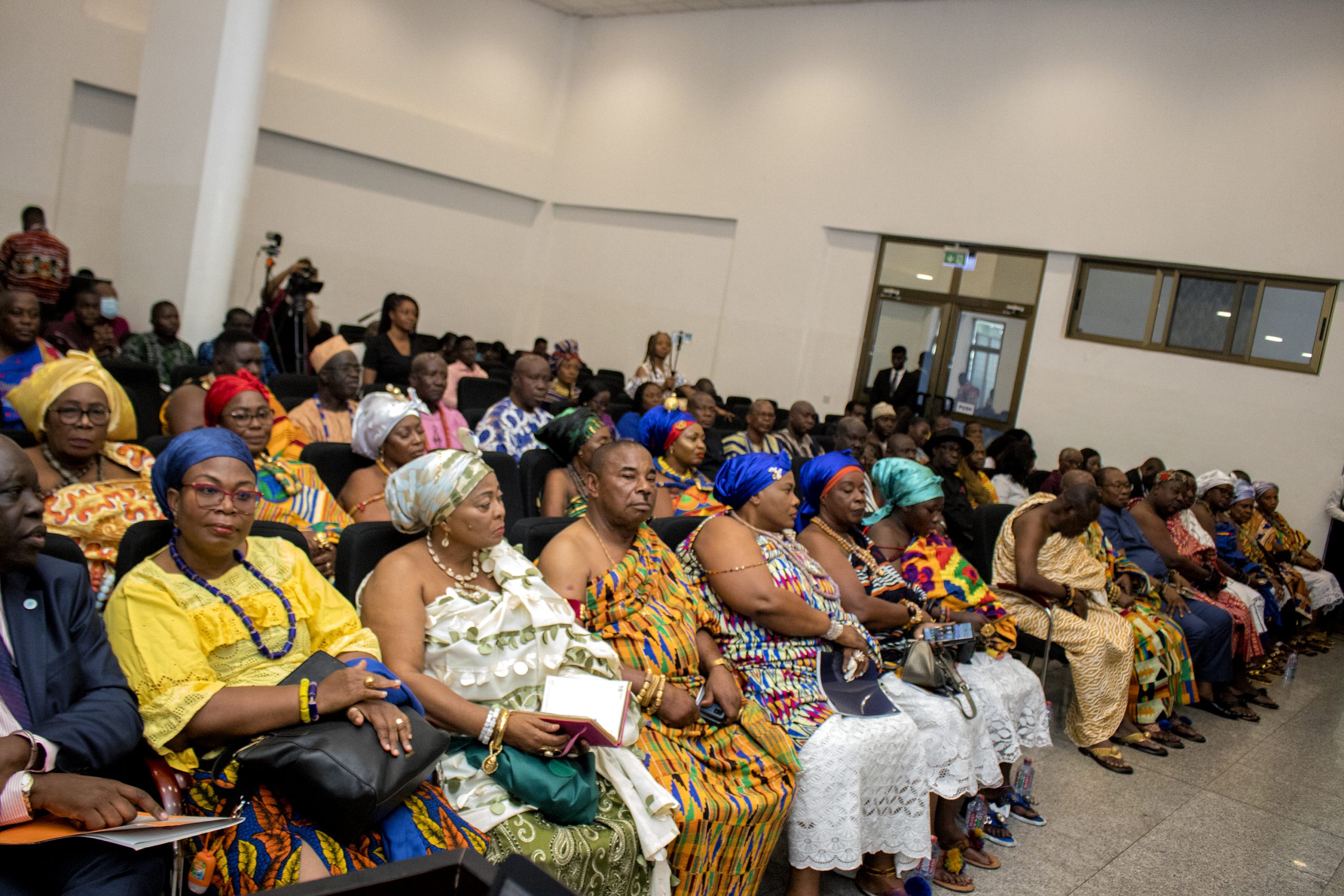
The well-attended forum brought together a diverse audience, including academics, policymakers, traditional leaders, development actors, and civil society organisations.
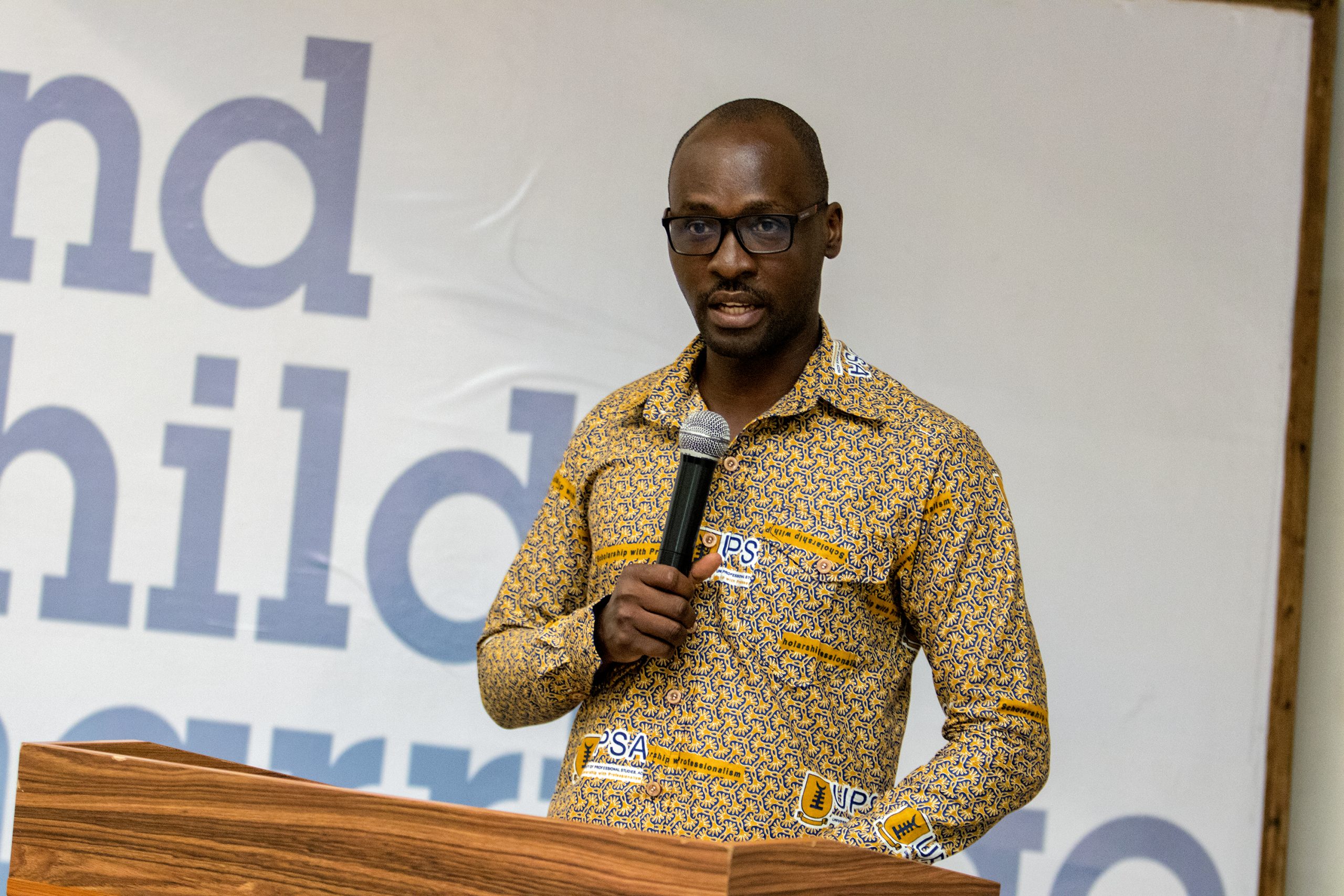
Dean of the Faculty of Information Technology and Communications Studies (FITCS), Prof Emmanuel Selase Asamoah, who delivered a speech on behalf of the Vice-Chancellor, highlighted the urgent need to harmonise traditional practices with contemporary human rights standards.
“As a university, we recognise the unique role that the chieftaincy institution plays in the development of our nation,” Prof. Asamoah said.
“This seminar thus focuses on finding the symmetry as well as the divergence between our culture and women and children’s rights [and also] seeks to arouse a critical rethink on our culture and how we can make it better serve the interests of Ghanaians and global citizens through the lens of women and children’s rights.”
For his part, the Director of OCTL, Dr Frederick Doe called upon all stakeholders to collaborate in promoting a cultural shift that ensures the protection and empowerment of women and children, reinforcing the role of traditional leadership in driving sustainable development.
He stressed that the chieftaincy institution has the moral authority and cultural influence to spearhead these critical changes.
Participants at the seminar also engaged in vibrant open discussions, sharing insights and strategies to foster cultural practices that respect and enhance the rights of women and children.
More news
All news-
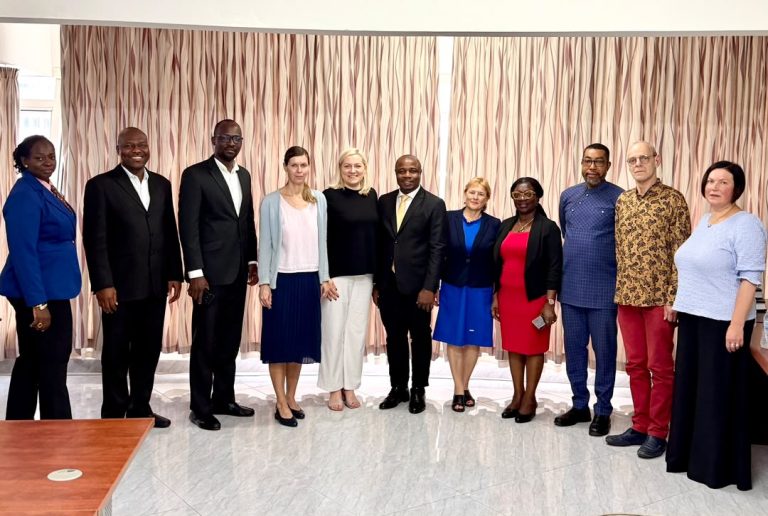 EKA University Delegation Meets UPSA Vice-Chancellor to Strengthen Academic Ties
A delegation from EKA University of Applied Sciences has paid a courtesy call on the Vice-Chancellor of the University of Professional Studies,…
-
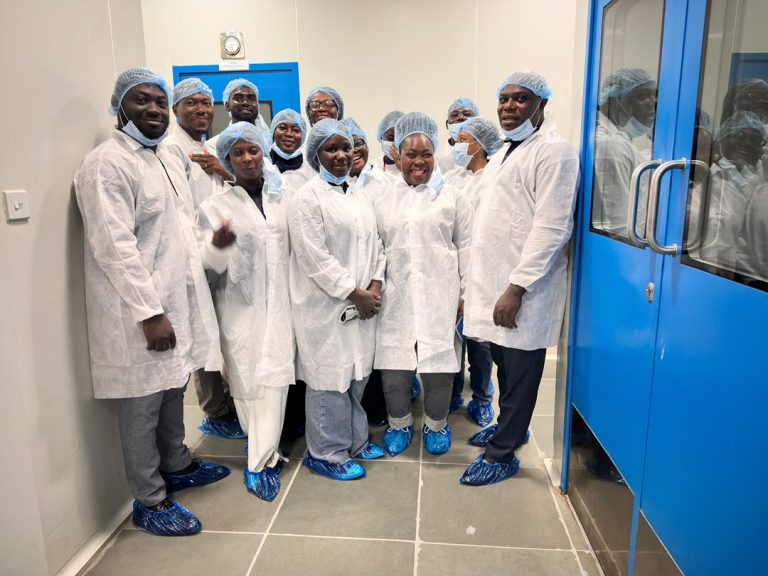 UPSA MBA TQM Students Examine Quality Management Practices at Entrance Pharmaceuticals and Japan Motors
Students pursuing the Master of Business Administration (MBA) in Total Quality Management at the University of Professional Studies, Accra (UPSA), have undertaken…
-
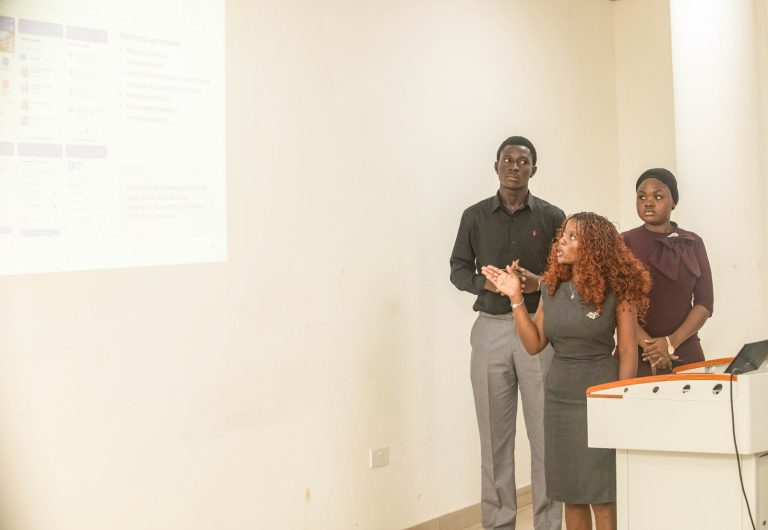 UPSA Final-Year Students Present Research Proposals to Address Practical National Challenges
Final-year students of the University of Professional Studies, Accra (UPSA), have begun presenting proposals under the University’s Interdisciplinary Research Project, outlining ideas…
Ready to join the professionals?